
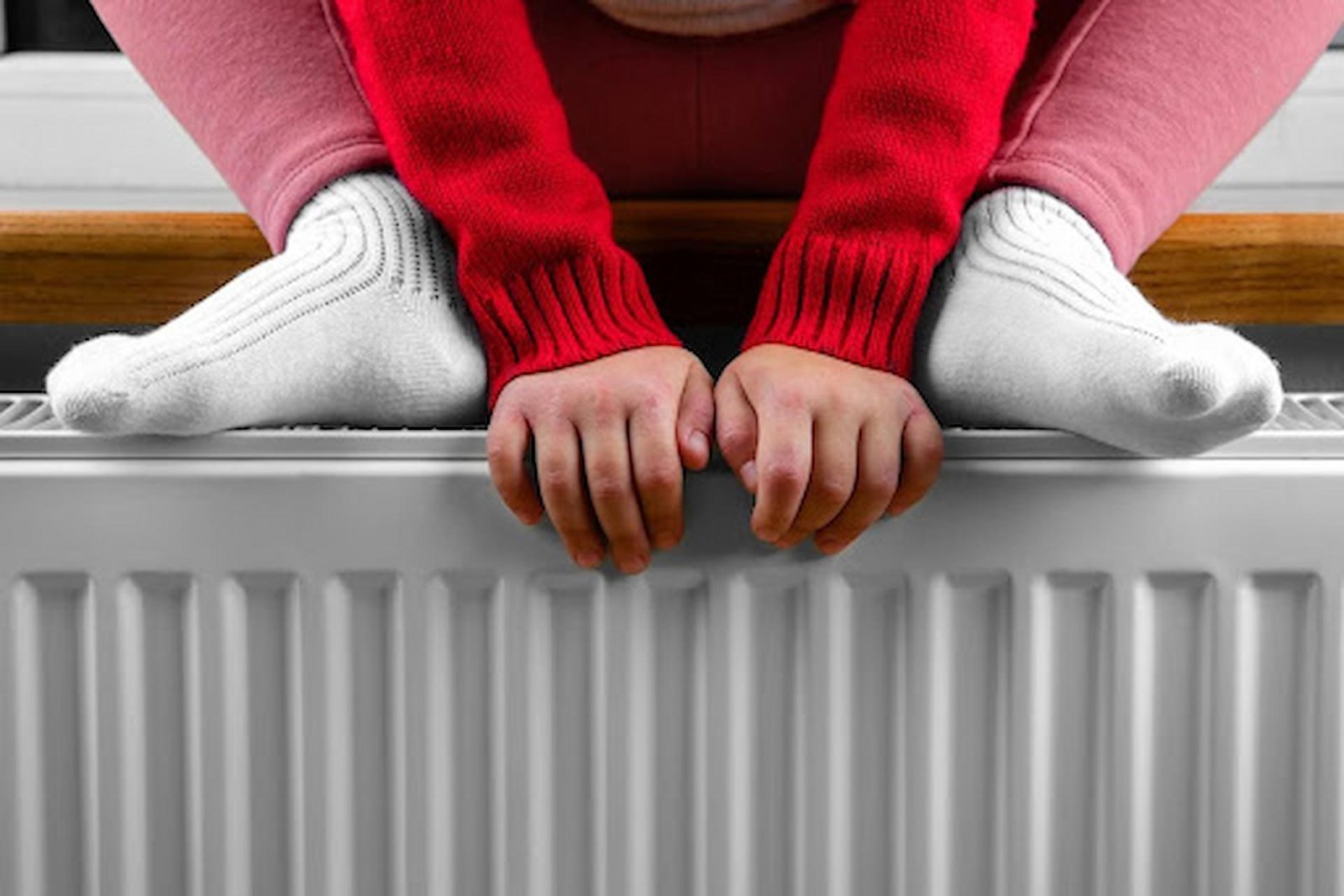
Rising energy costs have turned everyday heating choices into financial decisions. Small inefficiencies now have visible consequences on monthly bills. The way heat is generated, controlled, and distributed inside a home matters more than ever. A well-chosen radiator can quietly reshape comfort while easing long-term heating costs.
Many households still think of radiators as simple metal panels that either feel hot or cold. In reality, modern radiators are precision tools for managing heat flow. When control improves, waste decreases. That relationship sits at the heart of the question: can a radiator lower my heating bills without reducing comfort?
Heating systems lose efficiency when warmth is uneven or excessive. Rooms overheat, thermostats react too late, and boilers work harder than necessary. A radiator designed for better responsiveness and output balance helps align heat delivery with real demand. Over time, that alignment translates directly into lower energy consumption.
Why Traditional Radiators Often Waste Energy
Older radiator designs were built for constant output rather than adaptable control. They continue emitting heat even when a room has reached a comfortable temperature.
Key inefficiencies typically include slow warm-up times, uneven surface temperatures, and poor compatibility with modern heating controls. Studies on residential heating efficiency show that outdated heat emitters can contribute to 10–20% unnecessary energy use in homes with central heating.
When heat output cannot be regulated precisely, the system compensates by cycling more frequently. That repeated cycling increases fuel use and accelerates wear on boilers and valves.
The Science Behind Better Heat Output and Responsiveness
Modern radiators improve efficiency by focusing on heat transfer rather than sheer size. Enhanced internal channels increase water circulation, allowing heat to spread evenly across the panel surface.
This even distribution allows rooms to warm faster and more predictably. Faster response means thermostats can shut off heat earlier, reducing overshoot. When heat delivery matches room demand closely, the system avoids prolonged operation at high output.
From a cost perspective, responsiveness matters as much as insulation. A radiator that reacts quickly uses energy only when needed, not minutes after comfort has already been reached.
Control, Not Just Temperature, Determines Efficiency
Heating efficiency depends on when and where heat is delivered, not simply how hot a radiator becomes. Better control allows heating systems to respond accurately to changing room conditions.
Why Precision Matters More Than Maximum Heat
High temperatures do not equal efficiency. What matters is control over when and where heat is released. A radiator with precise output control works in harmony with thermostatic radiator valves and smart heating systems.
Instead of heating unused spaces, controlled radiators allow zoning. Zoning reduces energy use by focusing warmth only where it is required. Industry data suggests that effective zoning can reduce household heating costs by up to 15%.
This brings the discussion back to can a radiator lower my heating bills through control rather than brute force. The answer lies in consistency, not intensity.
Material Design and Its Impact on Running Costs
The materials used in a radiator influence how quickly heat is absorbed and released. Well-designed materials support stable temperatures while preventing excess heat from lingering unnecessarily.
How Construction Influences Heat Retention
Radiator materials affect how heat is absorbed, released, and maintained. Steel panel radiators, for example, heat up quickly and cool down faster, supporting responsive control. This reduces lingering heat after a thermostat shuts off.
Efficient material design ensures that energy supplied by the boiler converts into usable room warmth instead of being lost within the system. The result is less fuel burned to maintain stable indoor temperatures.
From an efficiency standpoint, the goal is predictable heat behavior that supports automated control rather than resisting it.
Matching Radiator Output to Room Size
Radiators must be aligned with the heating demands of the space they serve. Correct sizing ensures consistent warmth without forcing the system to compensate through inefficient cycling.
Oversized radiators waste energy just as much as undersized ones. When output exceeds room requirements, thermostats compensate by shutting systems down prematurely, creating inefficiency cycles.
Properly sized radiators deliver steady warmth without peaks and drops. Energy regulators often highlight correct heat emitter sizing as one of the most cost-effective upgrades for improving heating performance.
Balanced output reduces the need for constant adjustment, lowering overall system workload and fuel usage.
Actionable Ways Radiators Can Reduce Heating Costs
Lower heating costs are often achieved through practical, targeted improvements rather than full system replacements. Strategic radiator choices can significantly improve heat control and efficiency.
Practical improvements do not require complex upgrades. Strategic choices make a measurable difference:
- Choose radiators with fast heat-up and cool-down characteristics
- Pair radiators with thermostatic valves for room-by-room control
- Ensure radiator output matches room heat demand accurately
- Avoid blocking radiators with furniture or heavy coverings
- Maintain clean internal flow to support even heat distribution
These steps enhance heat control without changing the entire heating system.
Efficiency Gains Add Up Over Time
Small improvements in heat management accumulate across months of use. When radiators operate efficiently, overall system demand decreases, leading to sustained energy savings.
Small Adjustments, Long-Term Impact
Energy savings rarely come from one dramatic change. They accumulate through consistent control and reduced waste. When radiators respond efficiently, boilers run fewer cycles and operate at lower average output levels.
Over an entire heating season, even a 5–10% reduction in fuel use becomes noticeable on energy bills. Combined with better comfort stability, efficient radiators deliver value beyond immediate cost savings.
The question can a radiator lower my heating bills becomes less theoretical when viewed through seasonal performance rather than daily usage.
Future-Proofing Heating Against Rising Energy Costs
As energy strategies evolve, heating systems must adapt to lower operating temperatures and smarter controls. Radiators that support these changes help protect long-term efficiency and affordability.
Heating costs are influenced by fuel prices, but efficiency determines how much fuel is required in the first place. Radiators designed for modern control systems adapt better to future energy strategies, including lower-temperature heating and renewable integration.
Homes that invest in controllable heat emitters position themselves for ongoing efficiency gains without repeated upgrades. As heating standards evolve, adaptable radiators remain relevant and cost-effective.
Wrapping It Up
Heating efficiency is no longer just about insulation or boiler choice. Radiators play a central role in how effectively warmth is delivered, controlled, and conserved. When heat output aligns closely with room demand, waste naturally declines. Better responsiveness, accurate sizing, and intelligent control work together to stabilise comfort while reducing unnecessary energy use.
For homeowners assessing upgrades, the real value lies in long-term performance rather than short-term output. Efficient radiators support modern heating controls, reduce system strain, and help maintain consistent indoor temperatures without excessive fuel consumption.
If you have ever wondered can a radiator lower my heating bills, the answer depends on how well it manages heat rather than how hot it feels. Thoughtful radiator choices transform heating from a fixed expense into a controllable, optimised system. The next step is evaluating whether your current setup supports efficient control—or quietly works against it.









Leave a Reply
You must be logged in to post a comment.